By Louise Yourstone Tegborg, ALFA-MAR RESIDENT and board member
Folklore and art have long connected people across borders. This article explores how myths from Sweden and the Iberian Peninsula reflect our shared search for light, meaning, and community — and how Alfa‑Mar itself has become a living meeting point for these stories.
Folklore and Art from the North and South
From Sweden’s Midnight Sun to the Mediterranean Shores of Alfa-Mar
Lucia in Sweden and the earth goddess Mari of the Iberian Peninsula — two figures from different lands carrying the same message: light always returns. Myths and folktales have always helped people make sense of the world, create hope, and build community. In Alfa-Mar we come together from many countries — and perhaps we can discover that our stories have more in common than we might think. Just as artists’ paintings and illustrations have kept these myths alive through the ages, we too can preserve and renew them through our shared experiences.
When Darkness Met Light in Sweden
In the Nordic lands, myths were born out of the struggle between darkness and light. Lucia is still celebrated today as a symbol of hope during the darkest winter. But in earlier times she was not only the saint of light, but also a powerful force who rode out during the year’s longest night with her companions.
By lakes and streams waited the Näcken — a handsome man with a fiddle whose music could enchant but also bring misfortune. He warned of the water’s dangers, yet also fascinated, much like our Mediterranean Sea can be both life-giving and treacherous. Trolls and giants hurled stones at churches, which explained the great boulders scattered across the landscape. Their presence in myths reminded people of nature’s constant power and humanity’s need to give meaning to the inexplicable.
In every home lived a Tomte (a Gnome), a household spirit who demanded respect and a bowl of porridge on Christmas Eve. The tomte embodied both love and discipline: treated well, he offered protection, but neglected, he could bring misfortune upon the farm. This balance between care and responsibility still resonates in how we view community in our homes and neighborhoods today.
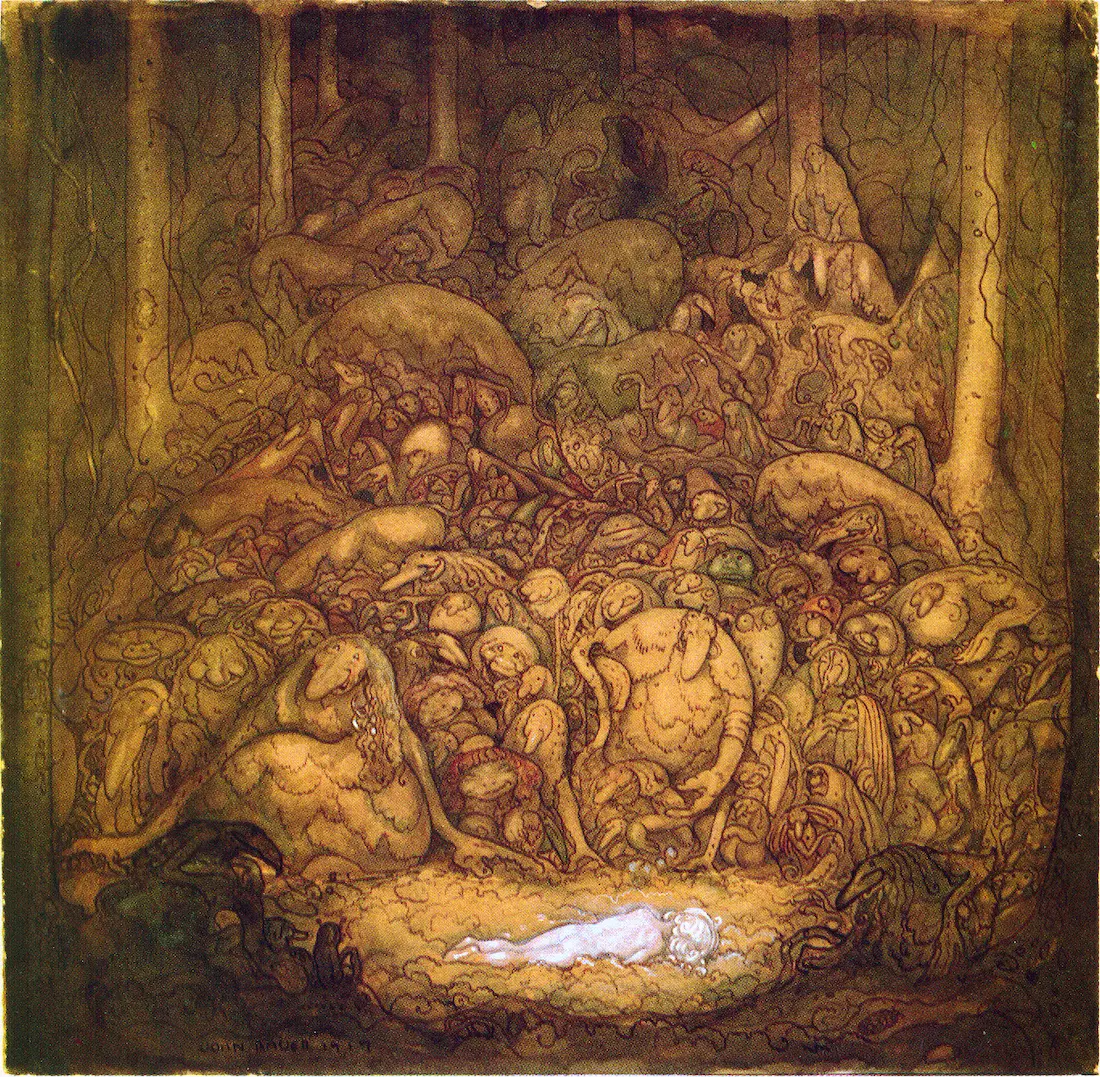
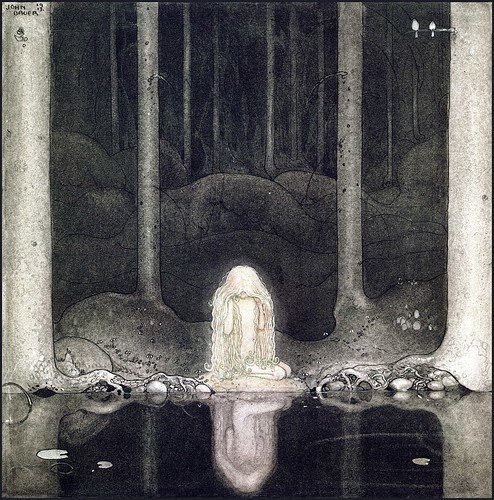
Many Swedish artists tried to capture these beings in their work. John Bauer painted elves, trolls, and forest spirits in shadowy woods, bringing folklore into fine art. Prince Eugen depicted landscapes filled with mystique. Contemporary illustrators like Brian Froud, inspired by Bauer, spread the imagery of enchanted forests to an international audience. From these artistic expressions we can step into our own family’s tradition: my grandmother created the very first figure in the Storskogen Gnome Family series back in 1942. For generations we have continued this craft, and our gnomes have become guardians of the home, just like in the old tales. Through them our family history connects with the wider folklore — a reminder of how traditions endure, linking past and present.
Myths of the Iberian Peninsula – Earth, Sea, and Transformation
Meanwhile, far away, other myths arose in the mountains and valleys of the Iberian Peninsula. Here, the forces of nature were revered, and in the Basque mountains it was said that the earth goddess Mari dwelled. She could take any form — a woman, an animal, or a wind sweeping across the peaks.
In the same forests resounded Basajaun, the “lord of the forest,” a giant being who taught people to farm the land and forge iron. By the rivers lived the Lamiak, water spirits with webbed feet and golden combs, both beautiful and dangerous. In Galicia people spoke of the meigas — witches who could both protect and cause harm. And in Asturias, dragons known as cuélebres hid in caves guarding treasures, only to be defeated on midsummer night.
Just as in Sweden, these were stories that explained the unknown and gave life to the surrounding nature.
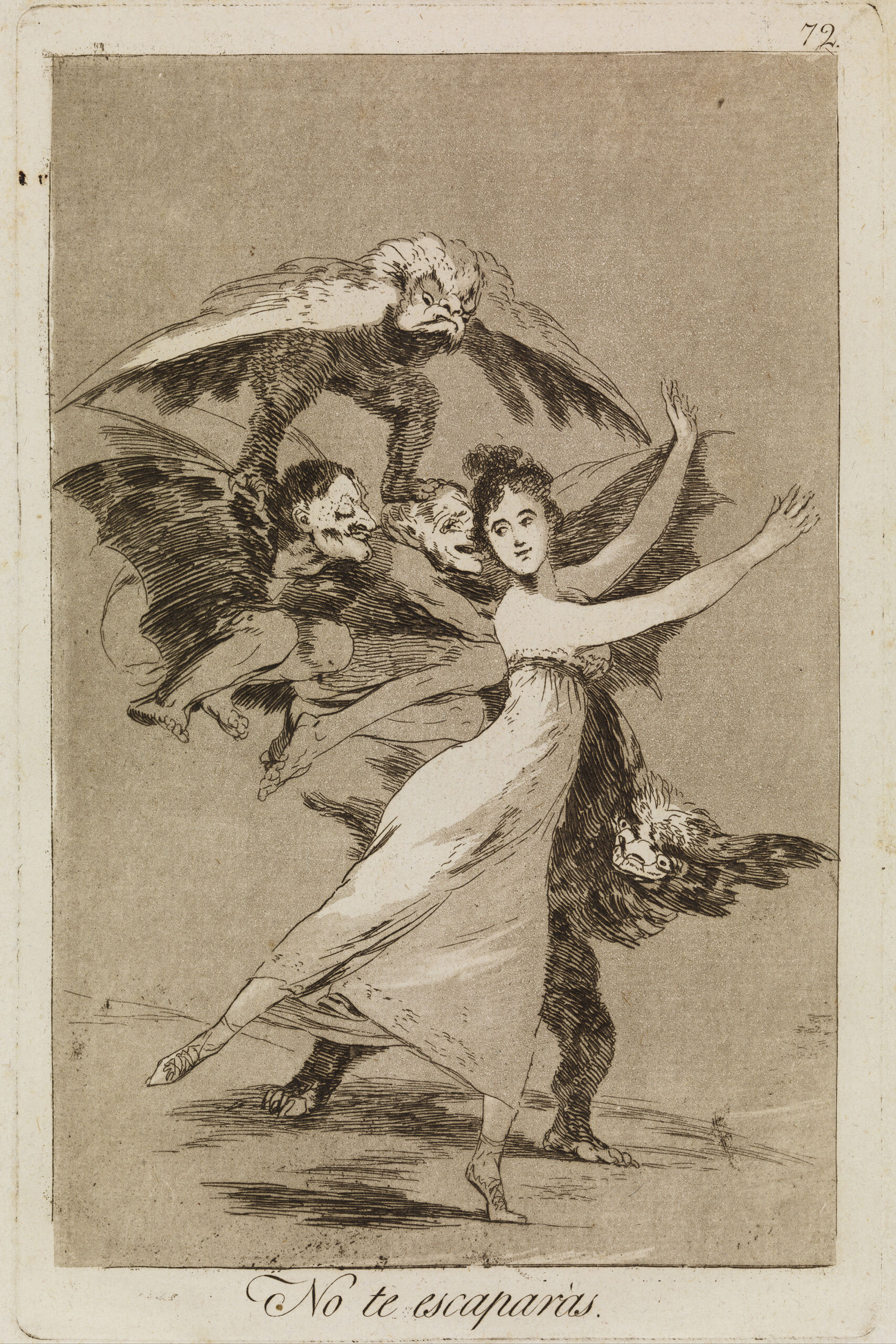
In Spain and Portugal artists also interpreted these myths. Francisco Goya often used motifs of witches and dark spirits in his paintings, especially in the Los Caprichos series. In the Basque Country, modern artists like Nestor Basterretxea created works inspired by Mari and Basque mythological beings. These interpretations show that folklore did not only live in words, but was shaped and carried forward through art. Artists’ depictions and interpretations therefore play an important role in our shared history — they not only preserve the stories, but make them vivid and accessible for new generations.
Similarities that Unite
When we compare them, we see that these myths share the same heart, despite different landscapes:
- Light and darkness: Lucia in Sweden and sun goddesses in the Basque Country both remind us that light always returns.
- Protective spirits: The Tomte (Gnome) in the North and Basajaun in the Basque forests watch over homes and livestock.
- The lure of the sea: The Näcken and Basque mermaids both tell of the beauty and danger of water.
- Love and transformation: The Huldra and Lamiak show that love often means understanding and accepting the unfamiliar.
These myths remind us that wherever people have lived, we have always sought the same things: safety, hope, and meaning.
These stories remind us that myth is not only about the past — it continues to live wherever people gather to share meaning.
Alfa-Mar – A Place Where Myths Meet
Here in Alfa-Mar, with our view over the Mediterranean, we gather from Sweden, Spain, France, Denmark, Belgium, Germany, Holland, and many other countries. We bring with us our own histories, our own folklore. But in the meeting, something new is created.
Perhaps Alfa-Mar itself has become our shared myth — a place where we watch the sun rise and set, where we talk across borders and sometimes face conflicts, but where we still weave together a story of community. Just as artists’ depictions have helped keep old myths alive, we in Alfa-Mar, through our conversations, traditions, and expressions, can pass these stories on to new generations.
Myths and folktales show us that differences do not divide us — they enrich us. We need the stories just as much as we need each other. And in Alfa-Mar, midway between the midnight sun of the North and the light of the Mediterranean, we are writing the next chapter together.
alive, we in Alfa-Mar, through our conversations, traditions, and expressions, can pass these stories on to new generations.
Myths and folktales show us that differences do not divide us – they enrich us. We need the stories just as much as we need each other. And in Alfa-Mar, midway between the midnight sun of the North and the light of the Mediterranean, we are writing the next chapter together.
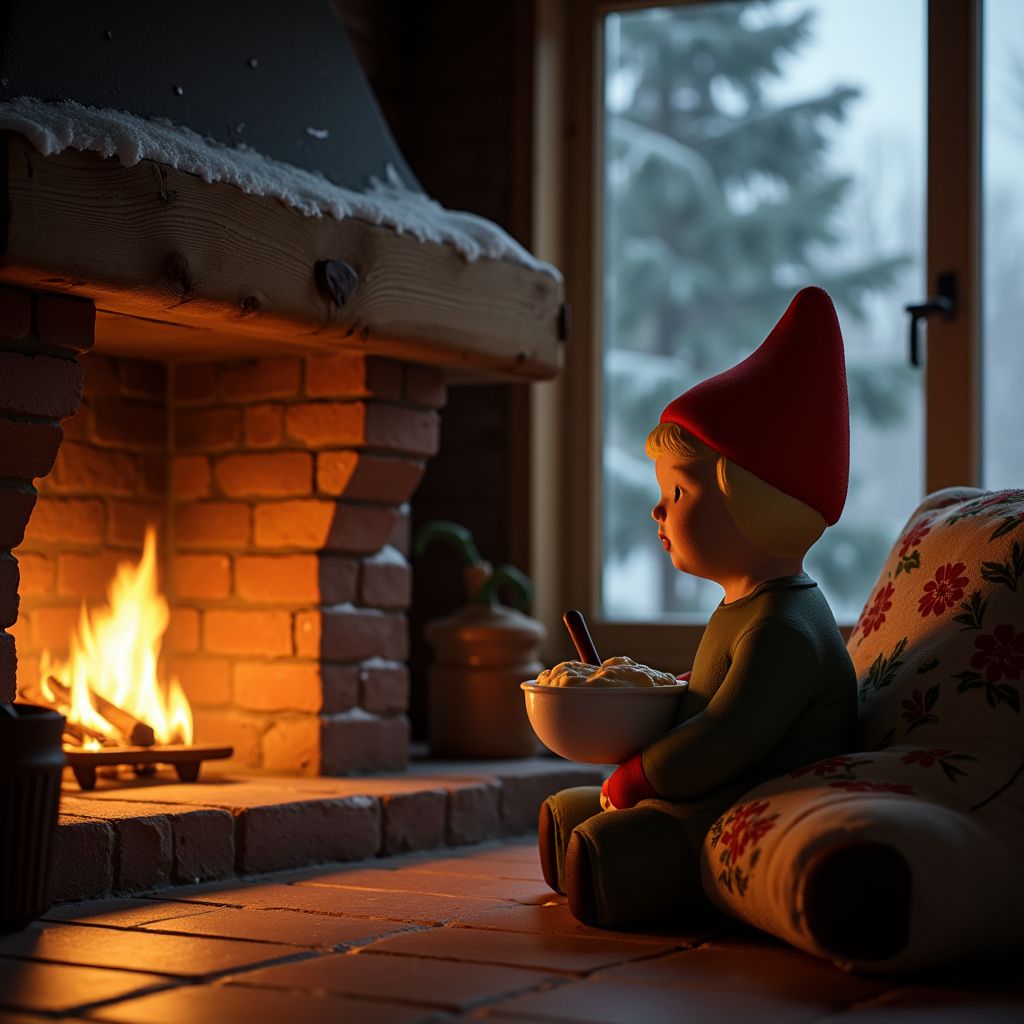
Image note: The illustration is based on Yourstone Keramik’s ceramic figure “Tomtepojke med Grötfat”, designed and produced by my family for generations. The figure was reinterpreted with Flux Dev Lora AI to place it in its traditional setting. Other images used are in the public domain.